
How Do You Negotiate a Zero? The Hidden Cost of 'Free' Fundraising Platforms
Free fundraising platforms aren’t really free. Learn how deceptive marketing hides platform fees, donor tips, and data monetization — and why transparency restores power to nonprofits.

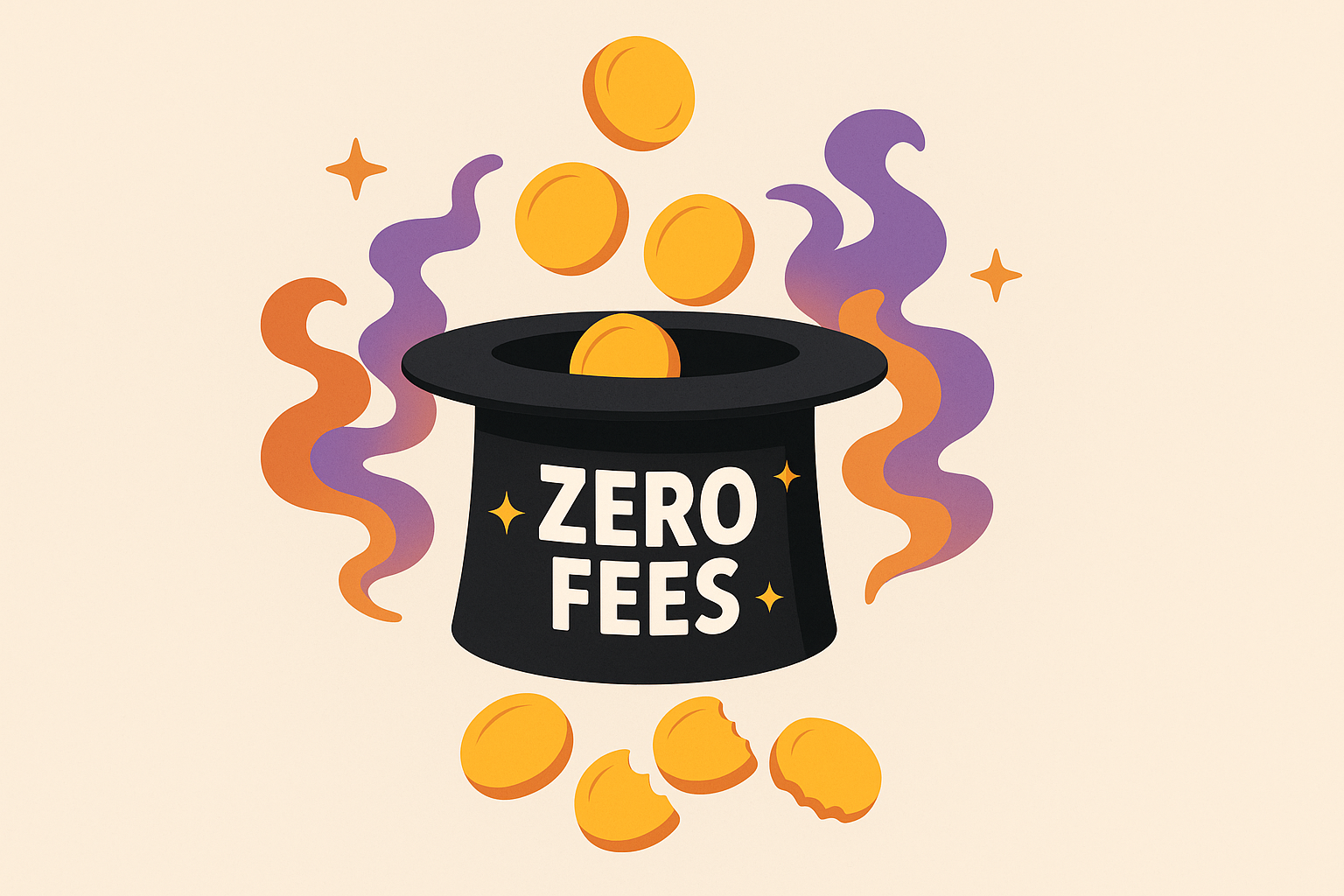
“Free” has a nice ring to it — especially for mission-driven organizations that operate on tight budgets.
But in the world of fundraising platforms, free rarely means without cost.
It often means the costs have been hidden — just out of view.
Whether it’s baked into payment processing, disguised as a “voluntary” tip, or quietly monetized through donor data, the reality is simple:
someone is paying, and too often, it’s the nonprofit or its supporters.
The Hidden Revenue Playbook
Fundraising platforms that market themselves as free typically rely on one of three strategies — none of which are truly transparent.
1. The Processor Piggyback
Some platforms advertise “zero platform fees” while partnering with payment processors that charge above-market rates.
Every donation carries a small skim — fractions of a percent that compound over thousands of transactions.
The platform still gets paid, just not where you’re looking.
2. The Tip Trap
Others rely on donor tips.
At checkout, supporters are prompted — sometimes aggressively — to “support the platform” with tips of 10–15% or more.
It sounds benevolent, but those funds don’t go to the nonprofit.
They go to the platform itself, monetizing donor goodwill and the nonprofit’s own brand equity.
3. The Data Dividend
When the dollar isn’t the currency, data is.
Some platforms collect donor behavior, demographics, and giving patterns — insights that can later be used for marketing or partnerships.
The nonprofit gets reach; the platform gets intelligence.
The Price of Opacity
The real harm isn’t just financial — it’s the erosion of agency.
When a platform hides how it makes money:
- Nonprofits lose the ability to measure their true costs of fundraising.
- They can’t compare options transparently, because the pricing isn’t visible.
- And they often cede control of donor relationships in the process.
Opacity doesn’t just cloud the economics — it shifts the balance of power in the nonprofit’s most important relationship: the one with its supporters.
How Do You Negotiate a Zero?
You can’t.
Because zero is never really on the table.
You can’t negotiate a processing fee you can’t see.
You can’t evaluate a tip model you didn’t choose.
And you can’t challenge a “free” platform that hides its incentives behind your generosity.
What these models create isn’t access — it’s dependency.
The Gudsy Alternative: Transparency as Alignment
At Gudsy, transparency isn’t a feature — it’s a principle.
We believe every nonprofit deserves to know exactly what they pay and why — because that clarity builds trust, autonomy, and sustainability.
- Flat $1 success fee — no percentages, no tricks.
- Per-seat subscription that scales fairly with team size.
- Nonprofits connect their own payment processors, maintaining full control of their funds and data.
In short: You can’t negotiate a zero, but you can choose honesty.
In Closing
Technology should amplify a nonprofit’s mission — not tax it.
A transparent model doesn’t just save money; it restores integrity to the act of giving.
Because when everyone knows how value flows, trust follows.